A Deep Dive into Bhutan
We invite you to join a 15-day Yatra through Bhutan, a journey through a unique spiritual landscape, and an opportunity...

Article by Dian D Reich
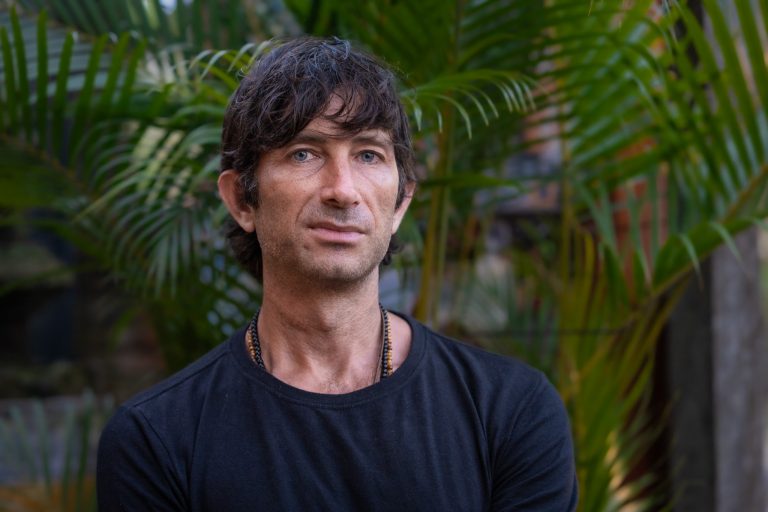
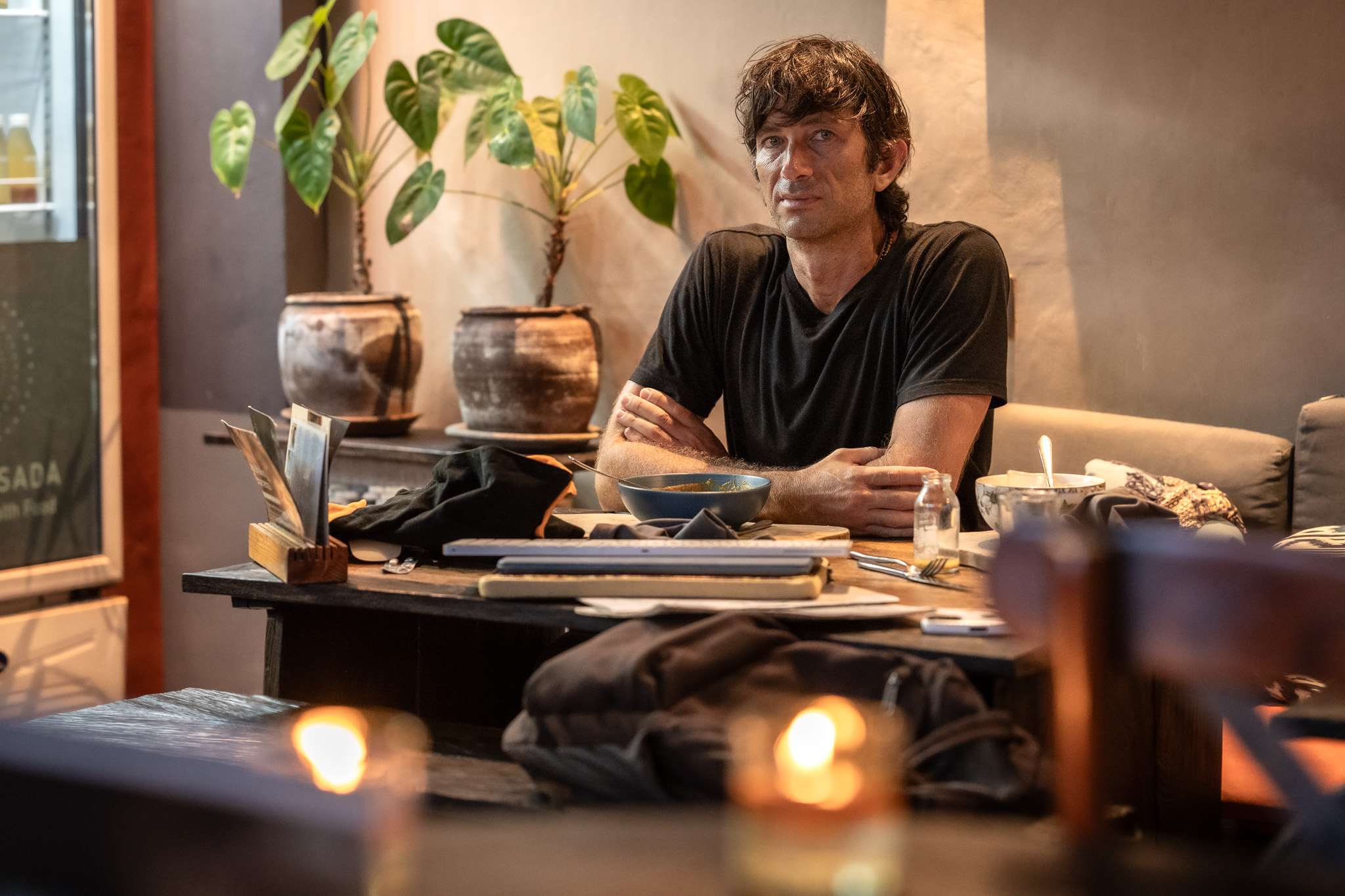
Michael Green is a certified Ayurvedic practitioner and mindfulness teacher, trained at the Southern California University of Health Sciences and UCLA’s Mindful Awareness Research Center. Based in Bali, he integrates Ayurveda, meditation, and traditional dharma practices to support holistic wellbeing.
As people gather for the evening workshop, the room gradually fills and the lights soften. The atmosphere becomes quiet and welcoming. Michael smiles as he looks around the room.
“Ayurveda is a rabbit hole,” he says. The ancient healing system is vast and complex, but the goal of the evening is not to dive into theory. Instead, Michael focuses on practical practices people can integrate into daily life. “These are simple things you can do every day that can genuinely improve your health.”
One of the defining features of Ayurveda is its emphasis on root causes rather than symptoms.
Two people may experience the same illness but have entirely different underlying imbalances. That’s why Ayurveda focuses strongly on bio-individuality… the understanding that each person’s body is unique. “Ayurveda looks at the whole person,” Michael explains. “Everything about you matters.”
Lifestyle habits, emotional patterns, sleep, digestion, and environment all play a role. “The way you breathe, the way you speak, the way you eat… everything either contributes to balance or pulls you away from it.”
One of the simplest and most powerful practices Michael recommends is Abhyanga, the Ayurvedic practice of self-oil massage. Traditionally performed in the morning, Abhyanga involves applying warm oil to the body before showering.
This practice can support:
In tropical regions like Bali or Indonesia, traditional Ayurvedic oils can be harder to find. Fortunately, local alternatives work well.

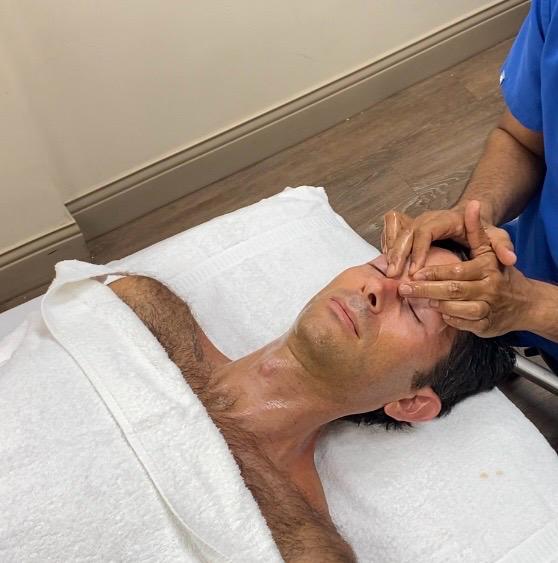
Common options include Coconut oil which is cooling and particularly beneficial for people with strong Pitta energy. Another is Sesame oil which is warming and grounding, often used in classical Ayurvedic treatments. Even a short five-minute massage can have noticeable effects over time.
During the workshop, one participant raises a question that some of us may relate to.
“I drink about three liters of water every day,” she says, “but I’m still thirsty all the time.” Michael asks a simple follow-up question. “What kind of water are you drinking?”
The answer: bottled mineral water. In tropical environments, hydration isn’t just about drinking more water. “When we sweat heavily, we’re losing sodium and electrolytes,” Michael explains. “Sometimes what the body really needs is salt.”
His recommendation is surprisingly simple. “Drink a fresh coconut each day and add a good sea salt, almost until it tastes too salty.” Coconut water naturally contains electrolytes, making it an effective hydration tool in hot climates.
Another important Ayurvedic principle involves protecting digestive fire, known as Agni. Strong digestion is considered central to overall health. One simple guideline helps support this process:
Avoid drinking large amounts of water within about 90 minutes of eating.
Too much liquid during or immediately after meals can dilute digestive enzymes and weaken digestion. Small sips are fine, but excessive water may interfere with the body’s ability to break down food efficiently.
While herbs, oils, and diet are often associated with Ayurveda, Michael emphasizes that awareness plays an equally important role.
“Ultimately Ayurveda is about paying attention,” he says.
Habits that seem small, how we breathe, how quickly we eat, how we sleep… can have a profound cumulative impact on health. Meditation and body awareness practices help people reconnect with signals that are often ignored in modern life.
“The body constantly communicates with us,” Michael says. “We just have to learn how to listen.”
By the end of the evening, the message becomes clear. Ayurveda does not rely on complicated routines or expensive treatments. Instead, it focuses on simple habits practiced consistently over time.
Daily rituals such as oil massage, mindful hydration, and attentive eating can gradually restore balance. Small actions, repeated daily, can create powerful long-term change. And that, Michael reminds the group, is the essence of Ayurveda.
Join Michael Green on substack.