A Deep Dive into Bhutan
We invite you to join a 15-day Yatra through Bhutan, a journey through a unique spiritual landscape, and an opportunity...

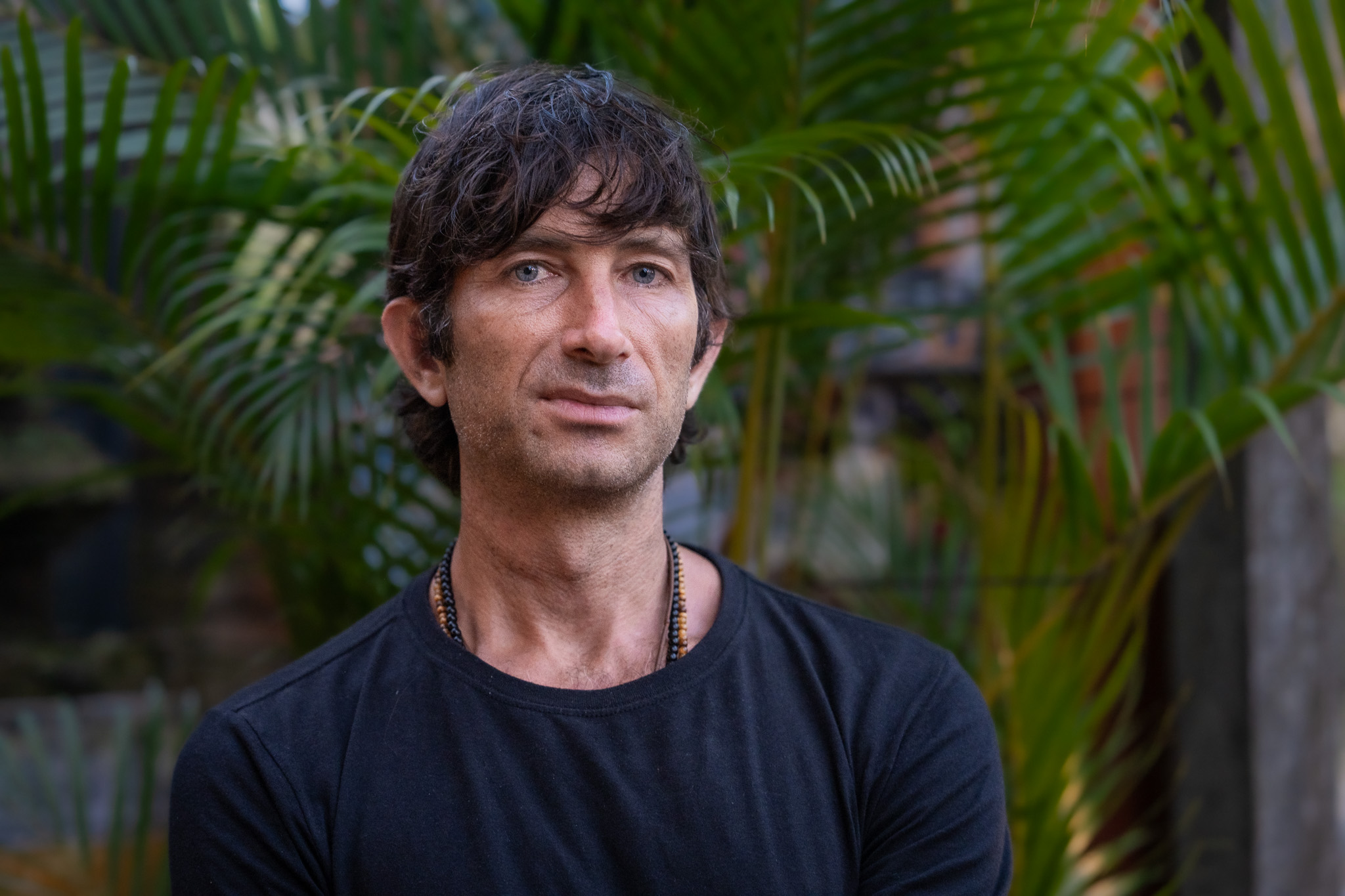
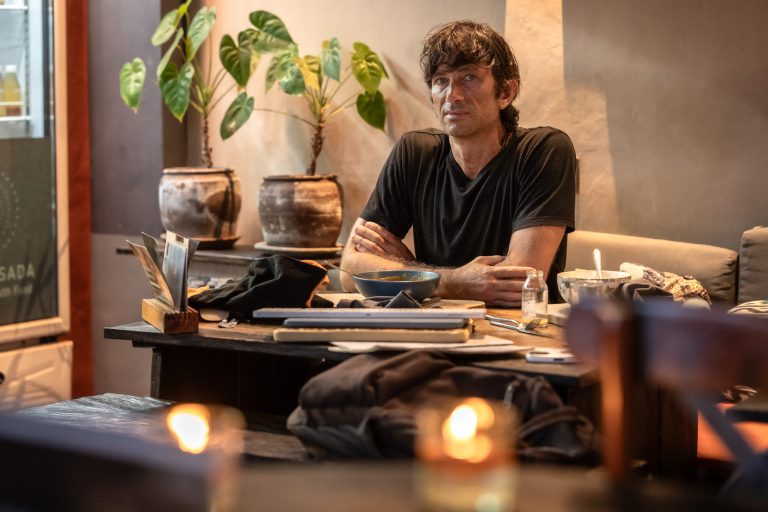
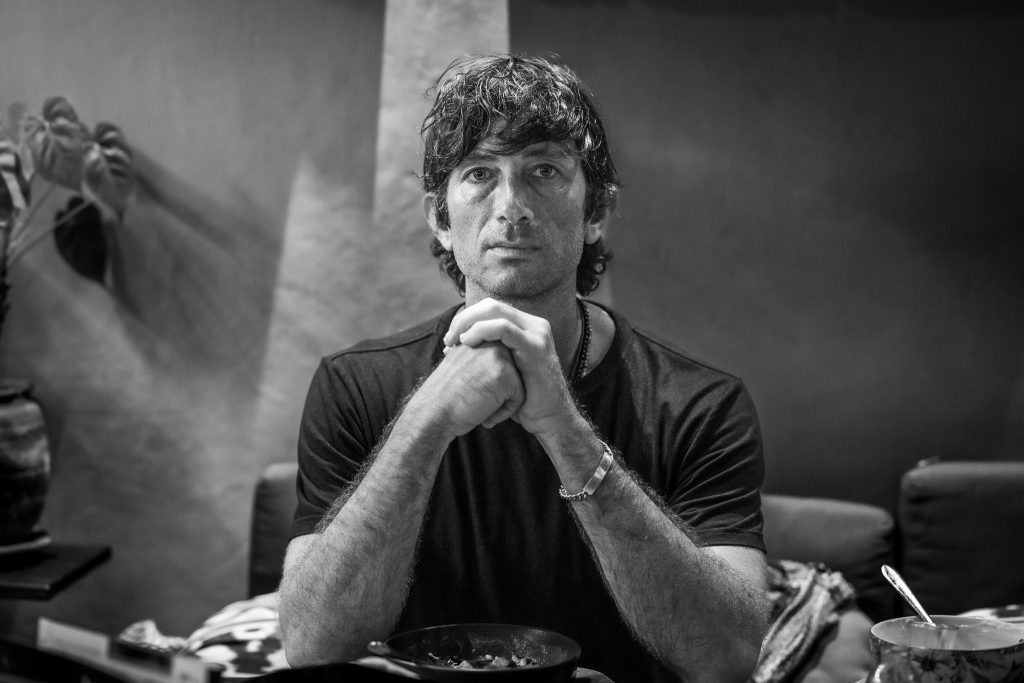
Michael Green sits with a glass of Amalaki in hand as the conversation begins. The small green fruit, also known as Indian gooseberry, has a long history in Ayurveda and forms one of the key ingredients in Triphala, a traditional herbal formula used to support digestion and longevity.
Triphala combines three fruits: Amalaki, Haritaki, and Bibhitaki. Together they create one of the most widely used preparations in Ayurvedic medicine.
“Amalaki is often described as one of the richest natural sources of vitamin C,” Michael explains. “But in Ayurveda it’s not just about nutrients. Every food also has an energetic quality.”
In this case, Amalaki is known for balancing Pitta, the energetic principle associated with heat, metabolism, and transformation. The discussion soon moves beyond herbs and into a deeper exploration of what Ayurveda actually means.
Many people first encounter Ayurveda through the concept of doshas, Vata, Pitta, and Kapha. Online quizzes and personality descriptions often encourage people to identify themselves with one type.
Michael believes this can be misleading. “A common misunderstanding is that you should organize your entire life around your dosha,” he says. “People think they need to eat, exercise, and work according to that label.” In reality, Ayurveda is less about identifying with a type and more about restoring balance.
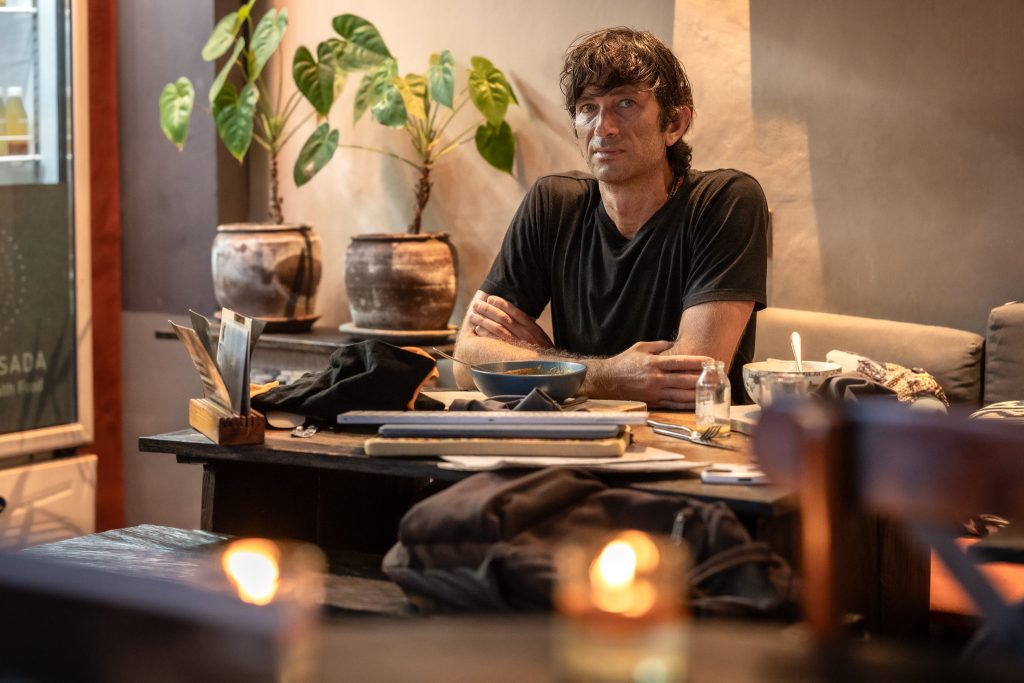
“The constitution you’re born with is like the sun you orbit around,” Michael explains. “But it’s not a destination you ever perfectly arrive at.”
Our perceived constitution can change dramatically depending on our health.
“For a long time I believed I was strongly Vata dominant,” he says. “But that was because my Vata was very out of balance. My sleep was poor, my digestion was off, and my nervous system was overstimulated.”
As his health improved, the picture changed.
“Once my sleep stabilized and my digestion improved, I realized my Pitta was actually much stronger than I thought.”
In Ayurveda, Vata represents movement and wind, while Pitta symbolizes fire and transformation. These elements are not literal but symbolic.
“The elements are really gateways,” Michael says. “They point toward deeper patterns in the body and mind.”
Ayurveda often overlaps with ideas from other philosophical traditions.
“Being human tends to lead people to similar insights,” Michael says. “No matter where they live or what time period they’re in.”
Concepts like balance, self-awareness, and subtle energy appear in Buddhist philosophy, Stoicism, and other ancient traditions. At the same time, modern science continues to explore biological systems that echo Ayurvedic observations.
“What we know now about hormones or peptides may evolve over time,” Michael says. “But the basic principle of cause and effect in the body remains the same.”
He points to a famous idea often attributed to Einstein:
“The mark of intelligence is being able to make something very complex simple.”
Ayurveda attempts exactly that—distilling complex systems into understandable principles.
For many students, Ayurveda begins as theory. That was Michael’s experience as well.
“At first it was mostly intellectual,” he says. “I was reading, studying, and looking at lab results.” Then something shifted. “There was a moment when it suddenly clicked. It went from being philosophy to something very real.”
That realization centers around bio-individuality. Ayurveda recognizes two key truths:
“You’re not only different from other people,” Michael says. “You’re also different from who you were last year.”
Understanding that dynamic nature is essential.
Michael’s journey into Ayurveda became more focused during the pandemic, when he began formal studies in 2020 and graduated four years later. But his path toward healing began much earlier.
“For about ten years I struggled with anxiety and depression,” he says. Looking back, he sees that period differently now. “I actually think it was part of the journey. Sometimes difficult experiences create the contrast that allows you to appreciate joy.”
He references philosopher Nietzsche and the concept of amor fati, the love of fate.
“When you begin to see your life clearly, your personality, circumstances, even your limitations, and you lean into them with acceptance and gratitude, something interesting happens. Accepting it can start to change it.”
Before discovering Ayurveda and meditation, Michael spent much of his life living in his head.
“I worked as a writer for many years,” he says. “I was completely absorbed in thinking. I didn’t even realize how disconnected I was from my body.”
Meditation slowly shifted that relationship. “At some point meditation stops being about ideas and becomes about dropping into the body.” This led him to an insight that now guides much of his teaching.
“The body doesn’t know how to lie.”
Through practices like body scanning, people can reconnect with physical sensations that reveal emotional or psychological patterns. Still, discernment is necessary. “You have to learn the difference between intuition and fear,” he says. “Sometimes doubt disguises itself as wisdom.” True honesty starts internally.
“When you become fully honest with yourself, you begin to see how often you subtly deceive yourself and others.”
Michael has spent more than a decade teaching meditation and natural health practices. When asked what brings him the most satisfaction in his work, he answers without hesitation.
“Being of service—that’s number one.” Everything else comes second. Yet the work has also deepened his own understanding of health.

“The biggest lesson is that physical and mental health can’t really be separated,” he says.
It’s a realization that continues to shape both his practice and his teaching.