A Deep Dive into Bhutan
We invite you to join a 15-day Yatra through Bhutan, a journey through a unique spiritual landscape, and an opportunity...
By Dian Dewi
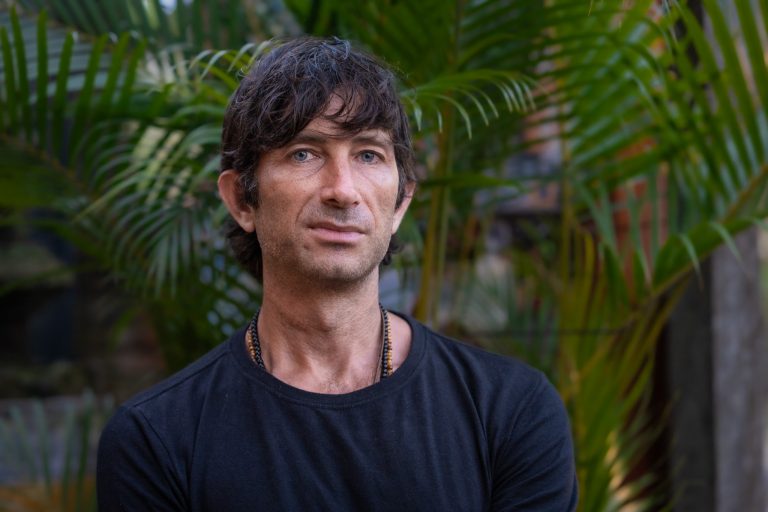
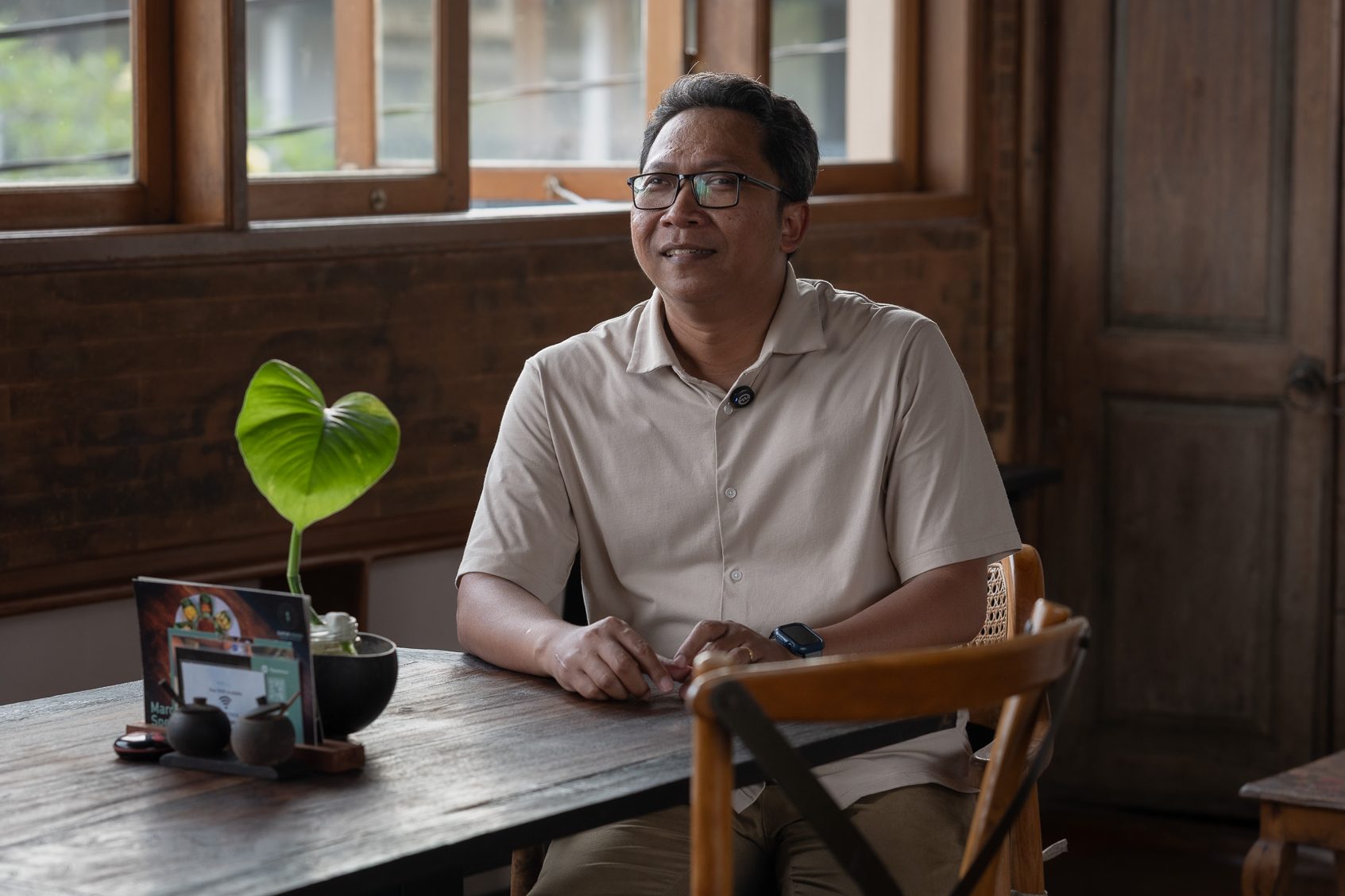
Dr.Krisnawan is Founder of Ubud Care Wellnes, General Practitioner and Pranic Healing Practioner and Instructor.
When you speak with Dr. Krisna, what stands out is not just what he knows, but how he thinks.
At one point in our conversation, he offers a simple image:
“If I’m a doctor and I climb a mountain without bringing any equipment, no medication, then I meet someone who is sick… what can I actually do?” He leaves the question hanging for a moment. That question, in many ways, sits at the heart of his work.
Trained as a medical doctor and also a pranic healing instructor, Dr. Krisna moves between two worlds that are often treated separately: modern medicine and energy-based healing. But for him, the real question is not which one is better, it’s what each one can actually do, and where their limits begin.
We began with the basics: how illness happens.
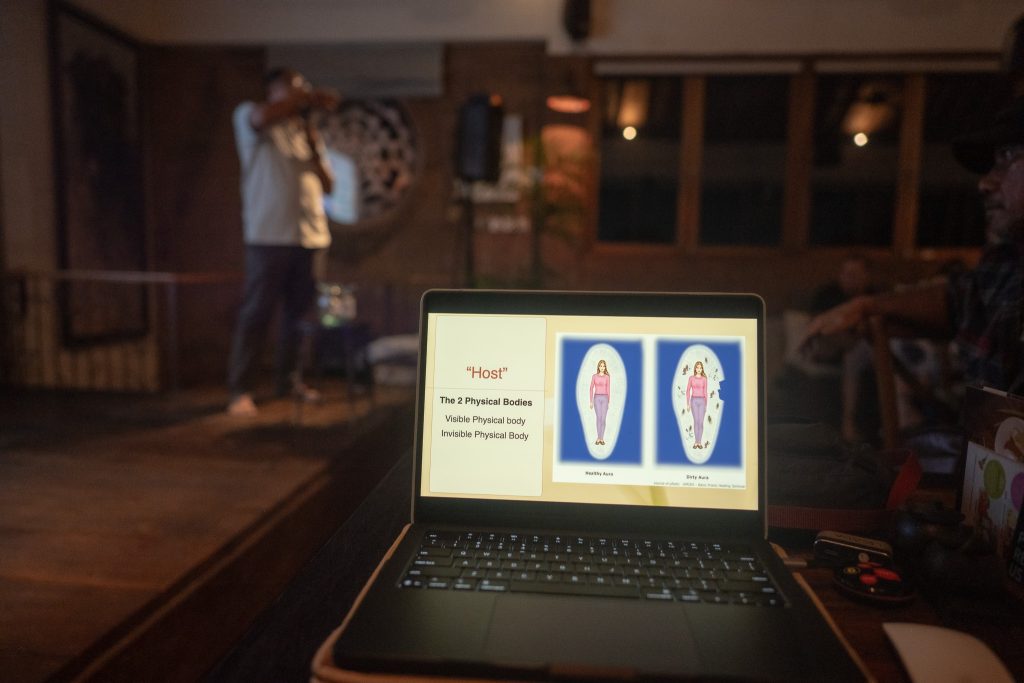
“In medicine, we have a model—the triangle: host, agent, and environment,” he explains. “The agent is the cause of the disease. The environment plays a role. But the host, that’s us, is actually the most controllable factor.”
You can’t always control what you’re exposed to. You can’t fully control your environment either. But you can work on the system that receives it. “That’s where the focus should be,” he says.
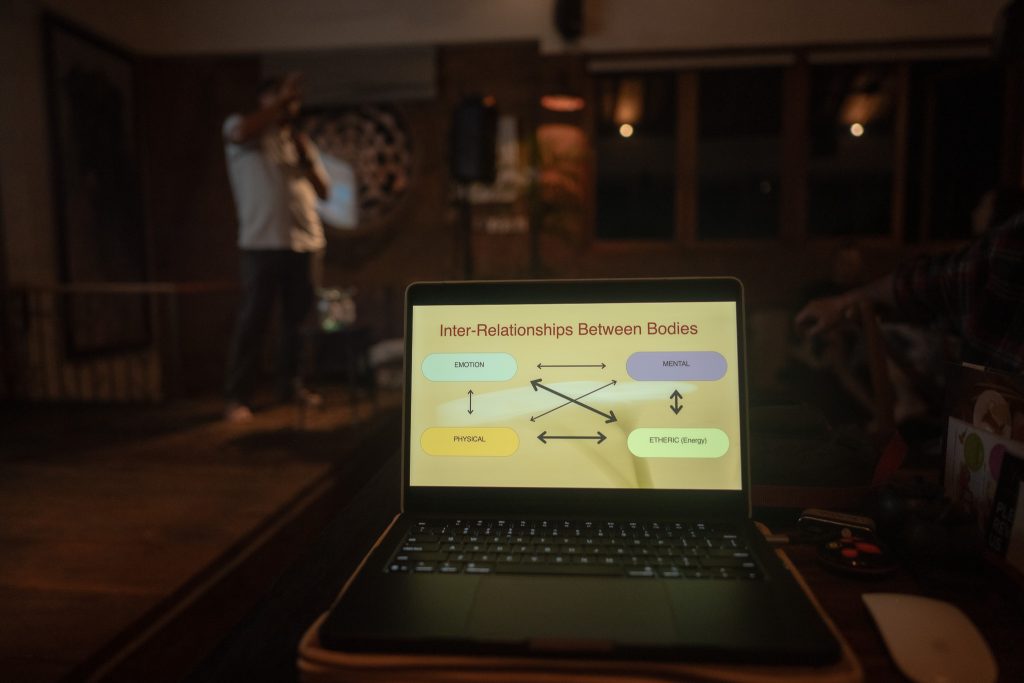
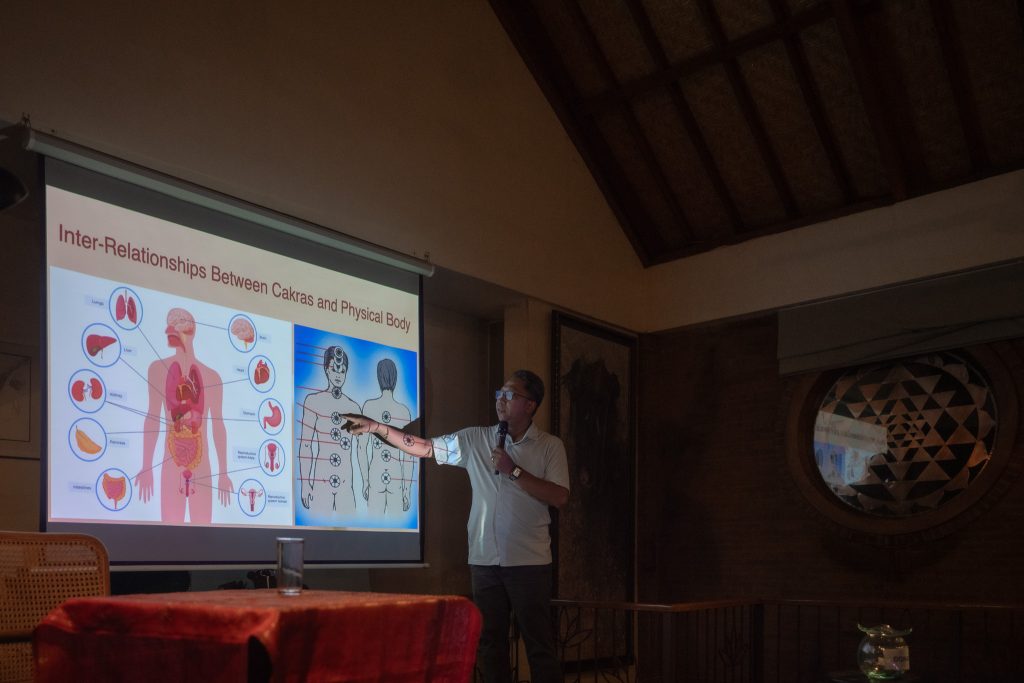
From there, the conversation naturally opens up. Dr. Krisna doesn’t see the human body as just physical. He describes it as a system that includes physical, emotional, mental, and energetic layers, all influencing each other.
“In medical training, we focus mostly on the physical. There’s a little bit of mental and emotional, but the energetic side isn’t really explored.” And yet, in his experience, that missing layer matters.
“If there is a disturbance in one aspect, it will affect the others. So if we only treat one side, sometimes it’s not enough.”
His openness to this didn’t come from theory, it came from experience. Just months before finishing medical school, his father suddenly showed signs of what looked like a stroke.
“I checked him. From what I learned, it was serious. I told him we should go to the hospital.” But his father refused. Instead, he rested. And sometime in the early morning, without Dr. Krisna realizing, he left his room. Later, his family explained what had happened.
His father, a Balinese priest, had gone to have a cleansing ceremony after visiting someone who had passed away. What followed didn’t fit into the framework Dr. Krisna had been trained in. By morning, his father had recovered in a way that didn’t match the expected clinical course.
“At that time, I couldn’t explain it,” he says. “But it made me realize, there are things happening that we don’t fully understand yet.”
That moment stayed with him. It led him to explore Reiki, traditional Balinese healing, and eventually pranic healing, where he later became an instructor.
Over time, his perspective became clearer: medicine is powerful, but it doesn’t stand easily on its own. He comes back to that earlier image.
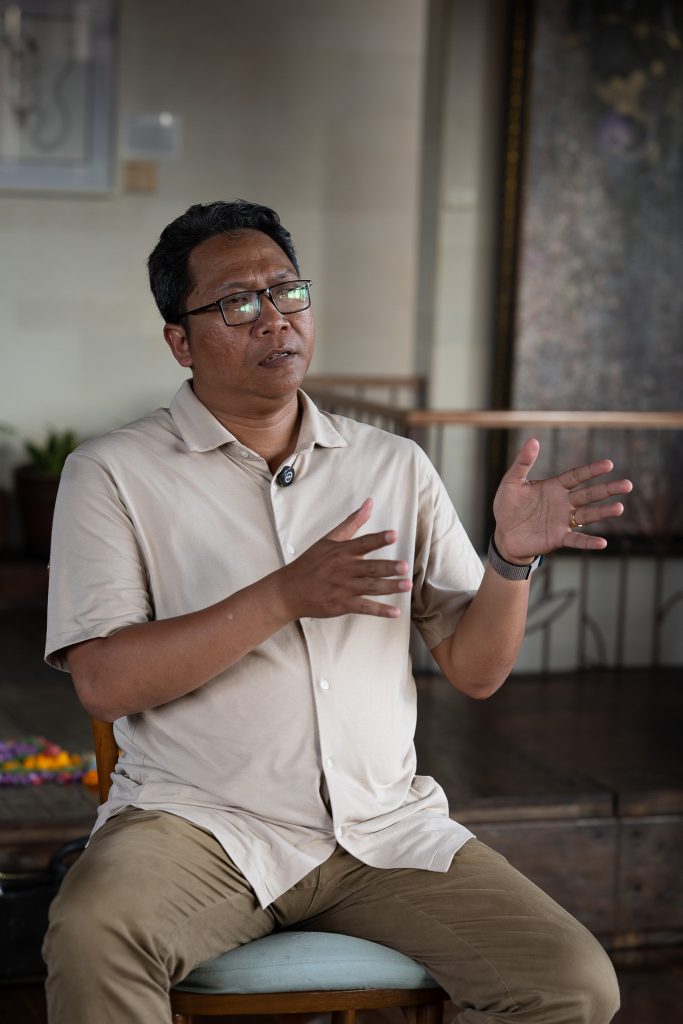
“If I’m a doctor and I climb a mountain without bringing any equipment, no medication, then I meet someone who is sick… what can I actually do?” “In that situation, there’s very little I can offer. Because in modern medicine, we depend a lot on tools, on drugs, on equipment.”
It’s not a criticism. It’s simply how the system works.
Medicine today is highly effective, but also highly dependent on infrastructure. Hospitals, diagnostics, pharmaceuticals. Remove those, and the ability to intervene becomes limited.
“That made me think,” he says. “Sometimes my ability to help depends on what I have access to, not just what I know.” And that raises another question: what else is available, beyond the tools?
In one case, a teenage patient had been in a coma for over two weeks, with a persistent fever that wasn’t responding to antibiotics. The medical team had tried everything.
At some point, Dr. Krisna was asked to step in, not instead of treatment, but alongside it. They began working with energy healing while continuing medical care.
“On the third day, the patient woke up,” he recalls. “The fever went down.” For him, this wasn’t about proving one method over another. “It showed me they can work together,” he says. “Sometimes the result is stronger.”
Despite experiences like this, integration is still not widely practiced.
“Mostly, it’s lack of knowledge,” he says. “When I was in medical school, I was very skeptical. We are trained to think in a certain way.”
On the other side, many practitioners of energy healing don’t come from a medical background. “To really combine them, you need understanding from both sides.”
Still, he sees signs of change. More doctors are beginning to explore these approaches, slowly bridging the gap.
One of the strongest influences on his approach came from a senior doctor early in his career.
“He always emphasized patient safety, but also something simple: every patient should leave your room with something.”
Not just a prescription, but understanding.
“At the very least, they should learn something about their condition. Something about themselves.”
Because healing isn’t only something that happens to a person. It’s something they take part in.
By the end of our conversation, we found ourselves circling back to that same image. A doctor on a mountain, without tools. It’s a simple scenario, but it reveals something deeper.
If our ability to help is only tied to external resources, then it will always have limits.
But if we begin to understand the body more fully, not just physically, but also through its internal and energetic systems, then perhaps the range of what we can do starts to expand.
“I think now, many conditions are not linear,” Dr. Krisna says. “They are more complex, more multidimensional.” And because of that, our approach to healing may also need to become more complete.
Not choosing one system over another, but learning how they can meet, and support each other.