A Deep Dive into Bhutan
We invite you to join a 15-day Yatra through Bhutan, a journey through a unique spiritual landscape, and an opportunity...
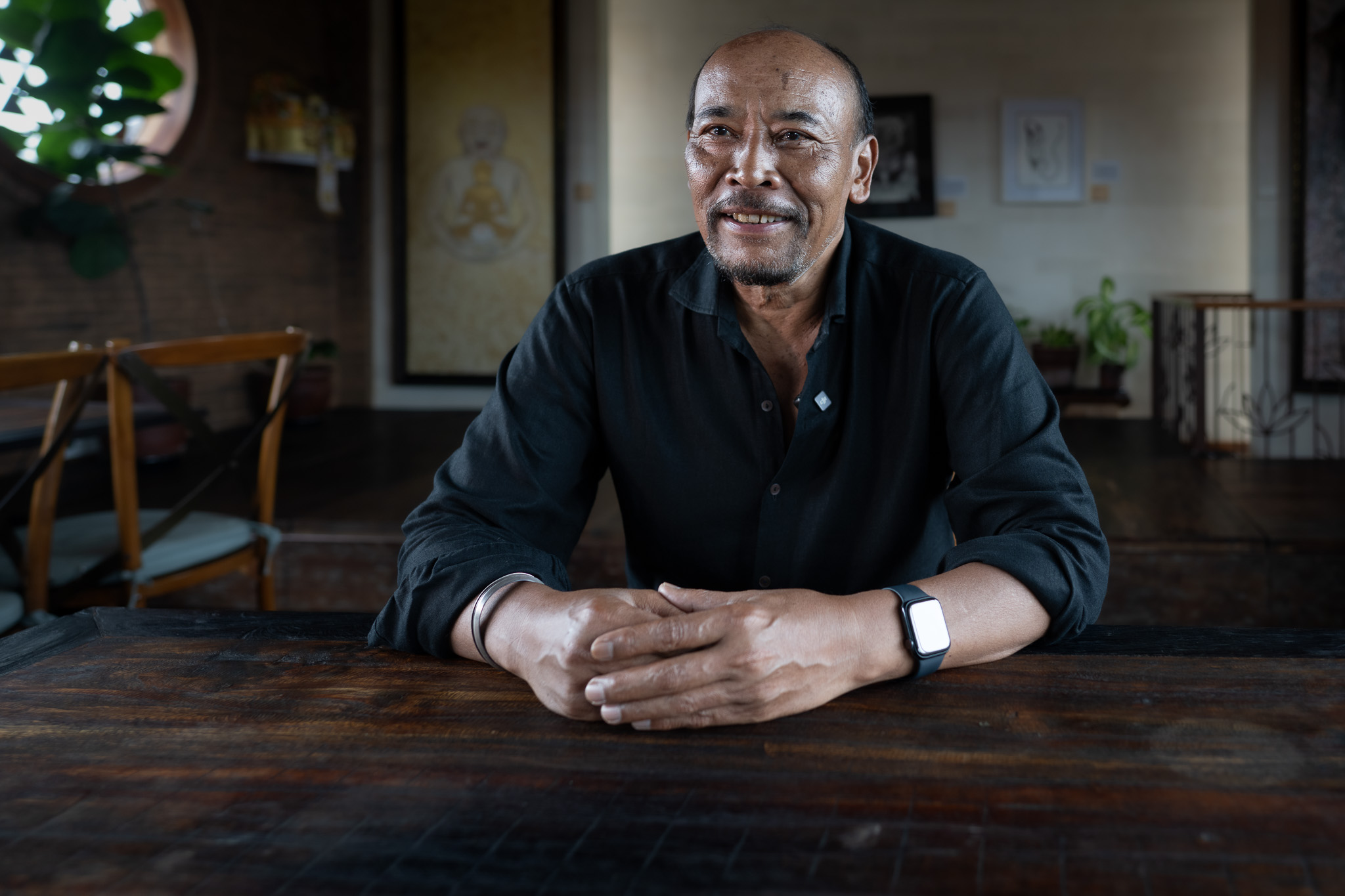

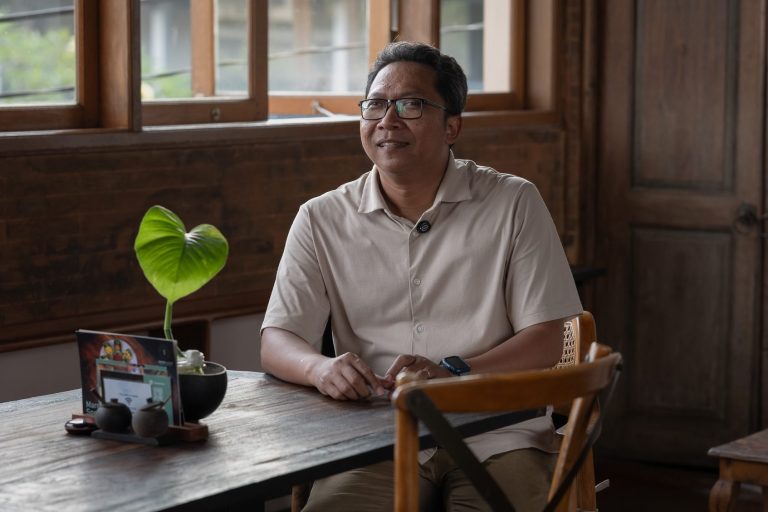
A Conversation with Made Suryasa
In Bali, knowledge does not exist in isolation. Architecture reflects cosmology. Healing reflects philosophy. Art reflects devotion. Made Suryasa embodies this interconnected intelligence — not only as a mask maker, but as a cultural thinker navigating tradition in a global age.
Born in Dangin Puri Kaja, Denpasar, Made was shaped by lineage. His grandfather, an undagi (traditional Balinese architect), introduced him to the spirit and character of wood. Through family exposure to Usada (traditional healing), he witnessed how knowledge is transmitted with care — sometimes even withheld until one is ready.
Although formally trained in economics, his deeper education unfolded through ritual performance, mask carving, and philosophical inquiry. Under respected masters in Singapadu and through exchanges with artists across Bali, he developed a refined understanding of regional carving styles and the energetic life of form.
Yet Made’s work extends far beyond.
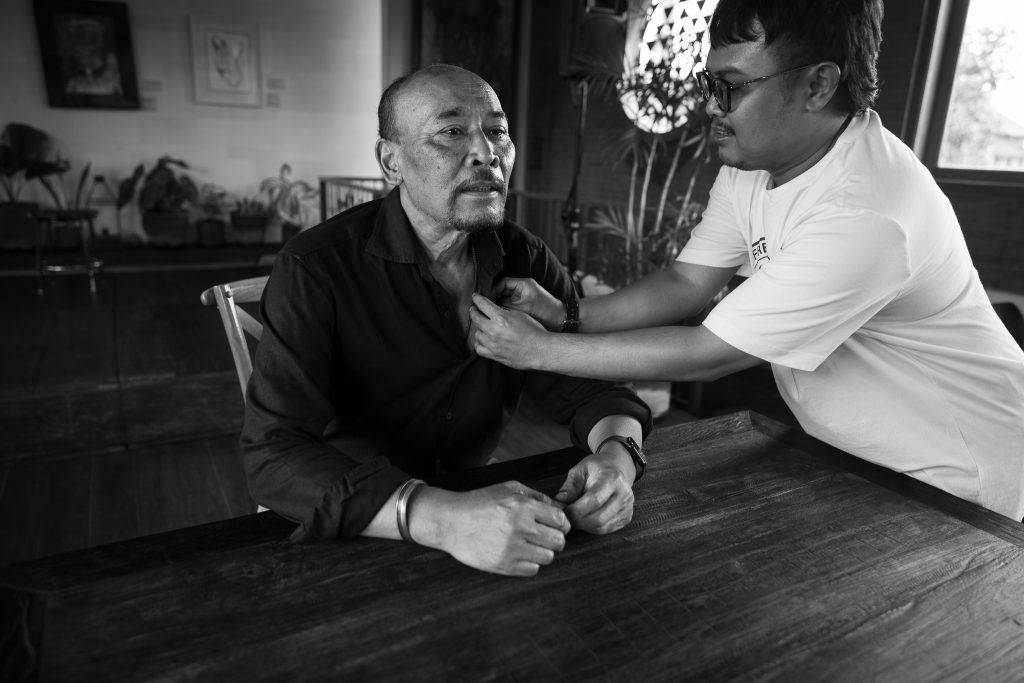
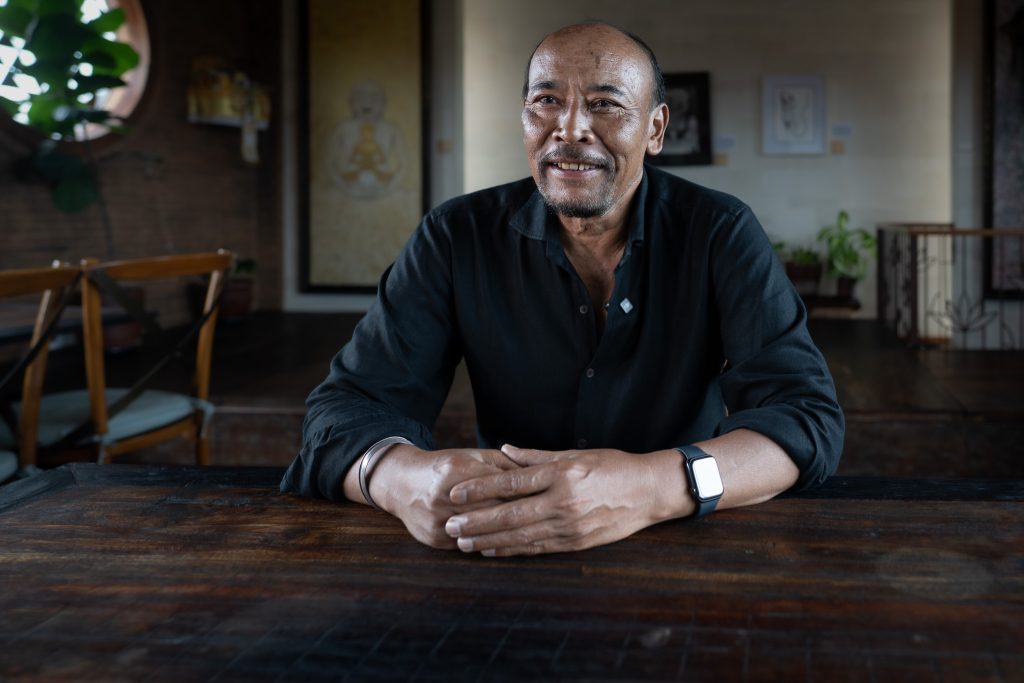
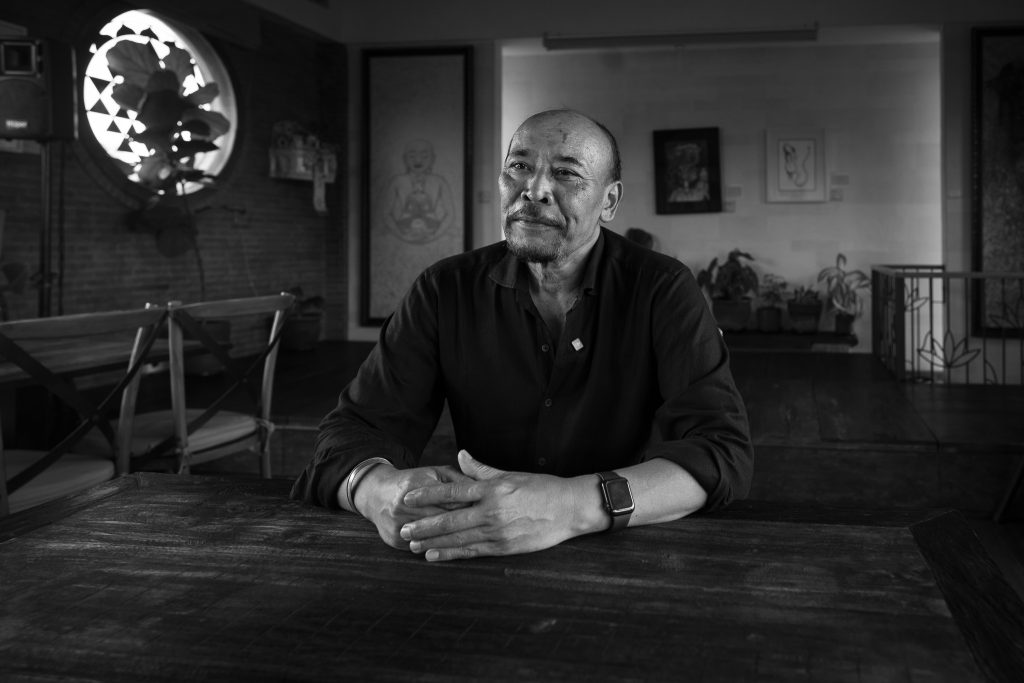
Since 1986, he has led a small, culturally oriented company that engages not only Bali but also Laos, Cambodia, Vietnam, Greece, Italy, and Spain — working across carnival traditions, theatre, drama, and culinary arts. This year, he is organising a Bali-wide culinary arts initiative, connecting food, culture, and identity.
His work reflects a central concern:
How does culture travel without losing its core?
On Commercialisation and Cultural Responsibility
Bali’s spiritual reputation now draws thousands seeking purification and healing. But Made questions the superficial “copy-and-paste” approach often applied to sacred practices.
“When people speak about purification,” he asks, “do they understand what aspect of themselves needs purification? What is being cleansed? Why?”
For him, purification is not performance. It is introspection.
He challenges the assumption that another human being can simply “purify” someone else. True healing, he believes, requires understanding the core of being human — not simply participating in a ritual experience.
He also emphasises discernment around healing titles. In Bali, distinctions exist between Balian, Dukun, and other practitioners. How did they study? What lineage do they hold? Are there parallels between traditional knowledge and modern biology or chemistry? These are questions rarely asked by spiritual tourists.
“So many people come to Ubud looking for a healer,” he observes. “But do they understand what kind of healer they are seeking?”
Healing, he reminds us, is not spectacle. It is process.
Through what he calls a “Healing Tour of Bali,” he prepares participants carefully — offering one-on-one education about Balinese healing traditions, including cultural context, etiquette, and realistic expectations.
“Don’t hope for miracles,” he says gently. “Healing is a process.”
Bridging Tradition and Modernity
Made does not reject commercial reality. He recognises that culture must live and adapt. Budayakan budaya — culture must be cultivated.
Yet he remains attentive to the gap that emerges when sacred knowledge is extracted and marketed without understanding.
At Usada, Made brings this layered perspective into dialogue. His talks and workshops do not romanticise tradition — nor do they reduce it to product. Instead, he invites deeper literacy:
In his presence, culture feels neither frozen nor diluted — but conscious.
Tradition, he reminds us, cannot remain static.
But neither should it lose its spine.